Free sample lesson Taste & Texture
Introduction
Welcome to this free sample lesson taken from the Masterclass Taste & texture. In this free sample we will give you a glance of the contents of this Masterclass. If you’ve liked this free sample, we have a 15% discount code for you. This code is applicable to all of our online courses. Just copy this discount code lucky15, click here to add the course to the shopping cart and paste the code into the coupon code field and apply.
All of our courses consist of explaining video’s, text, recipe’s and recipe video’s. You will find examples of all of these in this free lesson. All videos are English spoken and have Dutch & English subtitles. Why Dutch next to English, you may ask? That’s just because we’re based in The Netherlands, and we also like to reach out to an international audience to spread the love for top quality plant-based food.
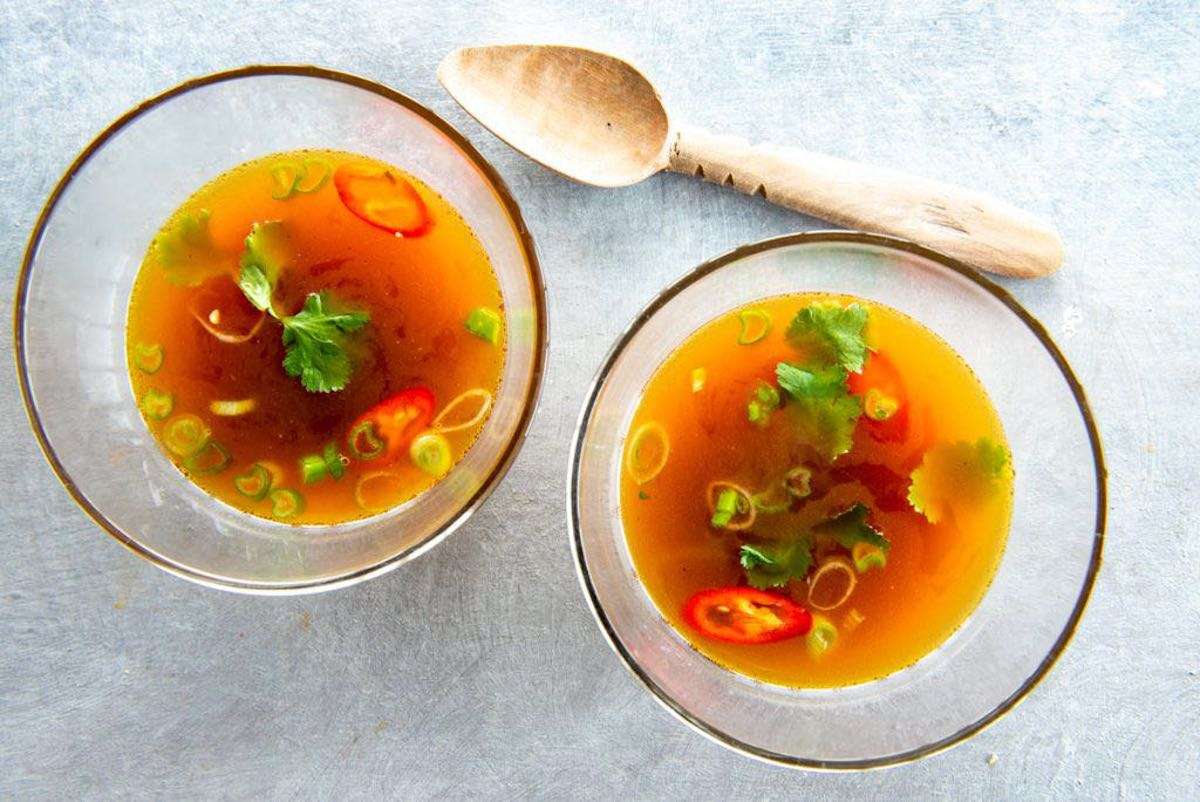
This lesson is derived from the chapter on the five basic tastes. Umami is often called the Fifth Taste. Other lesson in the chapter from the course are on Sweet, Sour, Bitter and Salt.
There are receptors on the tongue that are sensitive to MSG: Monosodium glutamate, a natural by-product of some fermented products such as miso, soy sauce and fermented cheeses. In its isolated form, MSG is also known as ve-tsin (in Chinese ‘wei-jing’: ‘essence of flavour’). Pure MSG gives a savoury feeling on the tongue without depth, but if you add a pinch of MSG to fried mushrooms, the mushroom flavour suddenly becomes much more intense. The secret of MSG is that, when combined with the right flavourings, it gives those flavourings an enormous boost. This is the result of patterns in the brain that are reinforced by MSG. So it is not the case that by adding MSG more aromas reach the olfactory organ, only the experience of them in our brains changes. This is a typical example where the multisensory aspect of our taste experience makes one plus one become three.
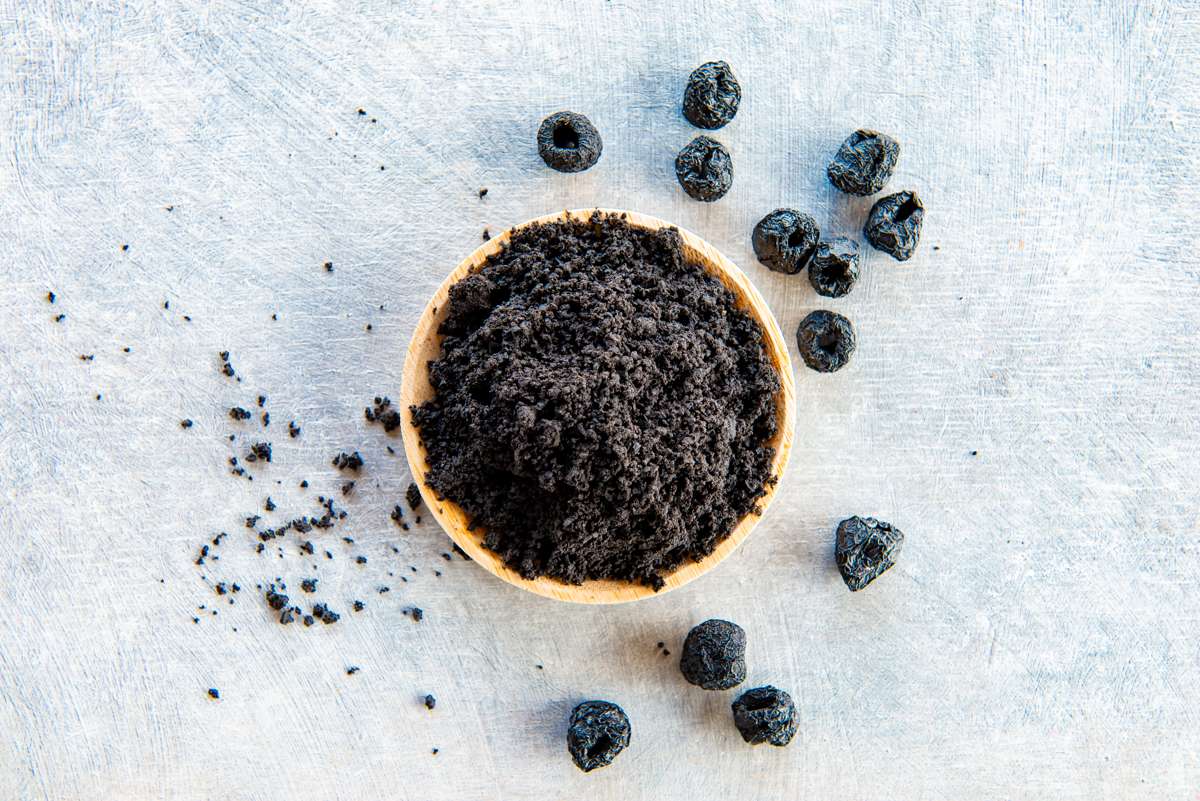
In this course we show you how to boost Umami flavor by using natural umami rich products such as seaweeds, olives, fermented plant-based cheeses etc.
Kitchen cupboard
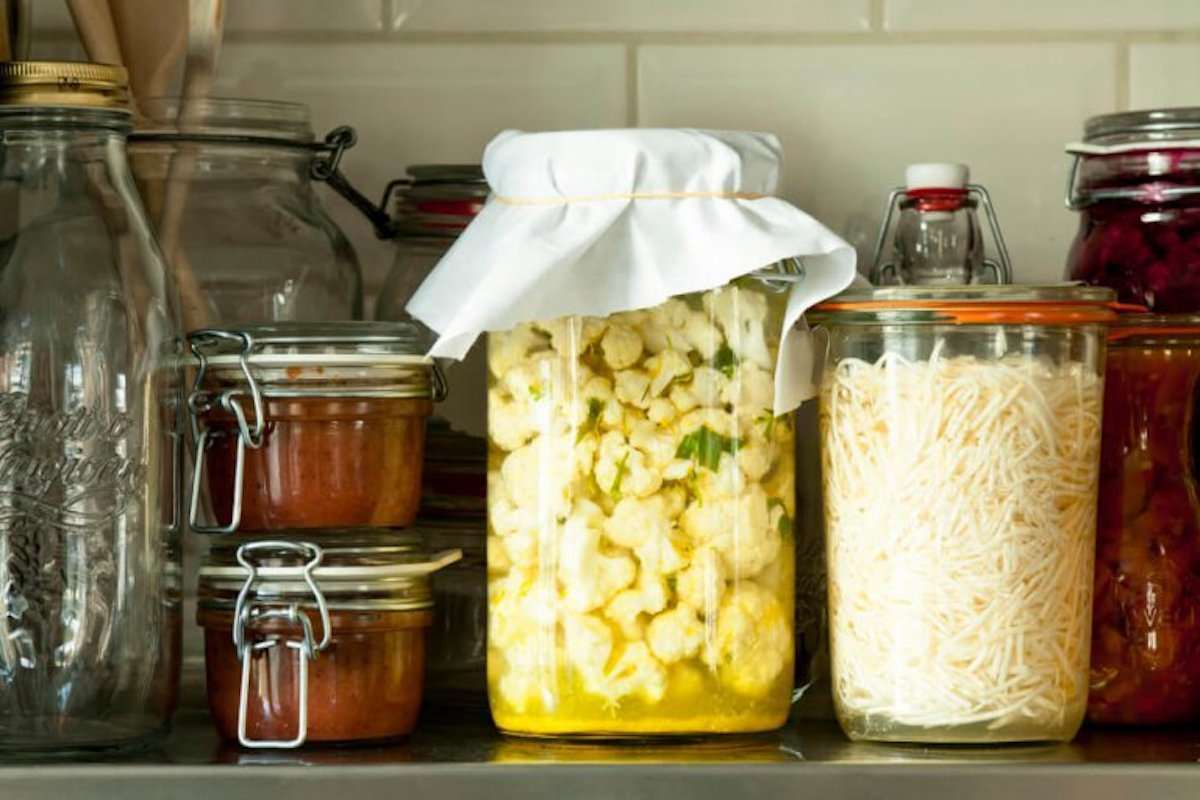
Fortunately, there is an enormous choice of umami flavourings for the kitchen cupboard. We can only recommend that you stock up on them because they really make your plant-based food tastier and more interesting.
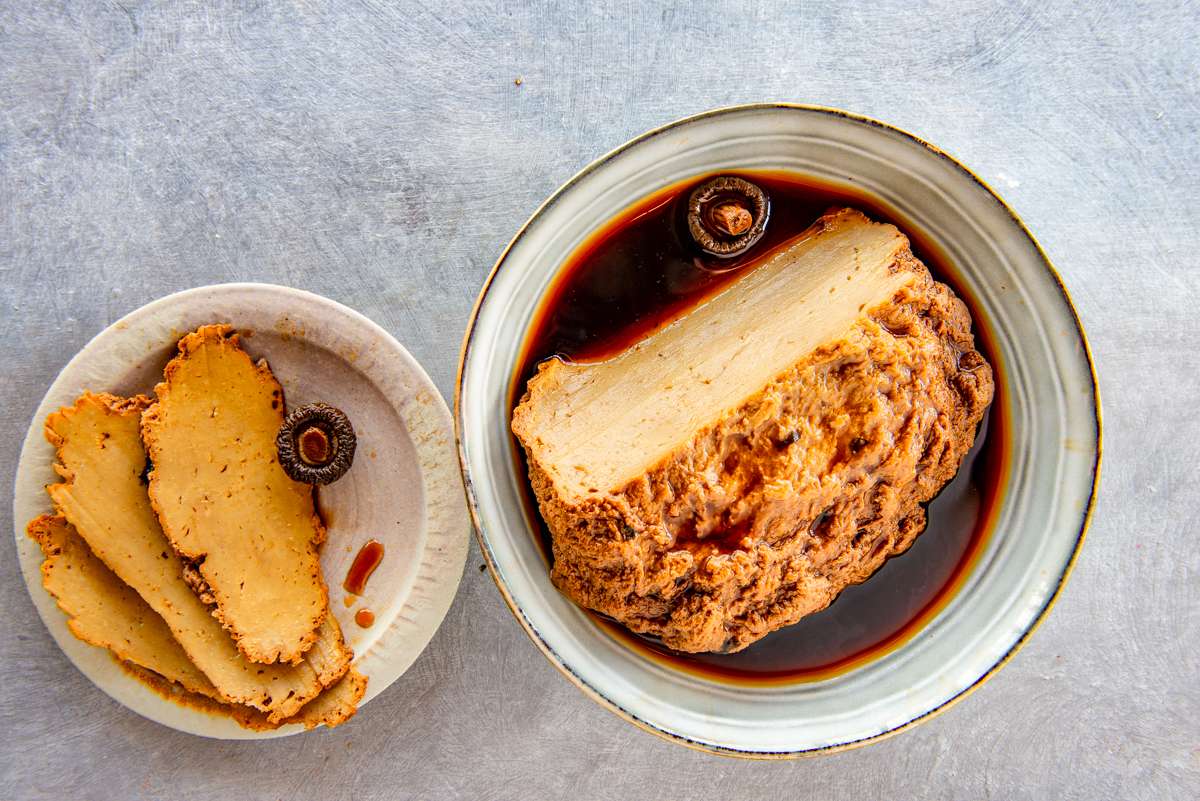
- All soy sauces: the Japanese ones you eat with sushi, tamari (gluten-free soy sauce), Chinese soy sauce and Indonesian soy sauce.
Miso pastes: made from fermented soya beans. - Fresh and dried mushrooms: e.g. shiitake, ceps, dried forest mushrooms. With dried mushrooms the umami taste is much more concentrated.
- Tomatoes and tomato puree: tomatoes naturally contain umami, by concentrating the tomato into a puree, the umami flavour is much stronger.
- Seaweed – and kombu seaweed in particular: is used in Japanese cuisine to make dashi. A powerful umami broth which usually includes dried tuna.
- Tempeh: made from fermented soya beans.
- Matcha powder: also has an umami flavour when combined with salt, a great condiment. You make this by mixing two parts salt with one part matcha powder. Delicious on: crisps, vegetable tempura, avocado and hummus.
Flavour boosting your veggies
Take a look on this video that shows you several techniques for flavor boosting different kind of vegetables
Do you like this content?
Did you find this topic interesting? In the actual Masterclass Taste & Texture, we’ll dive deep topics such as the Maillard reaction, how to add interesting tastes and flavours to your food, how to make sure your food is rich and healthy and much more. We provide you with helpful info, so you can fully understand the how to easily cook great and tasty plant-based foods.
Get started right away: copy this discount code lucky15, click here to add the Masterclass to the shopping cart and paste the code into the coupon code field and apply. You now have access, and you can start cooking right away.
Example of a lesson video: Maillard reactions
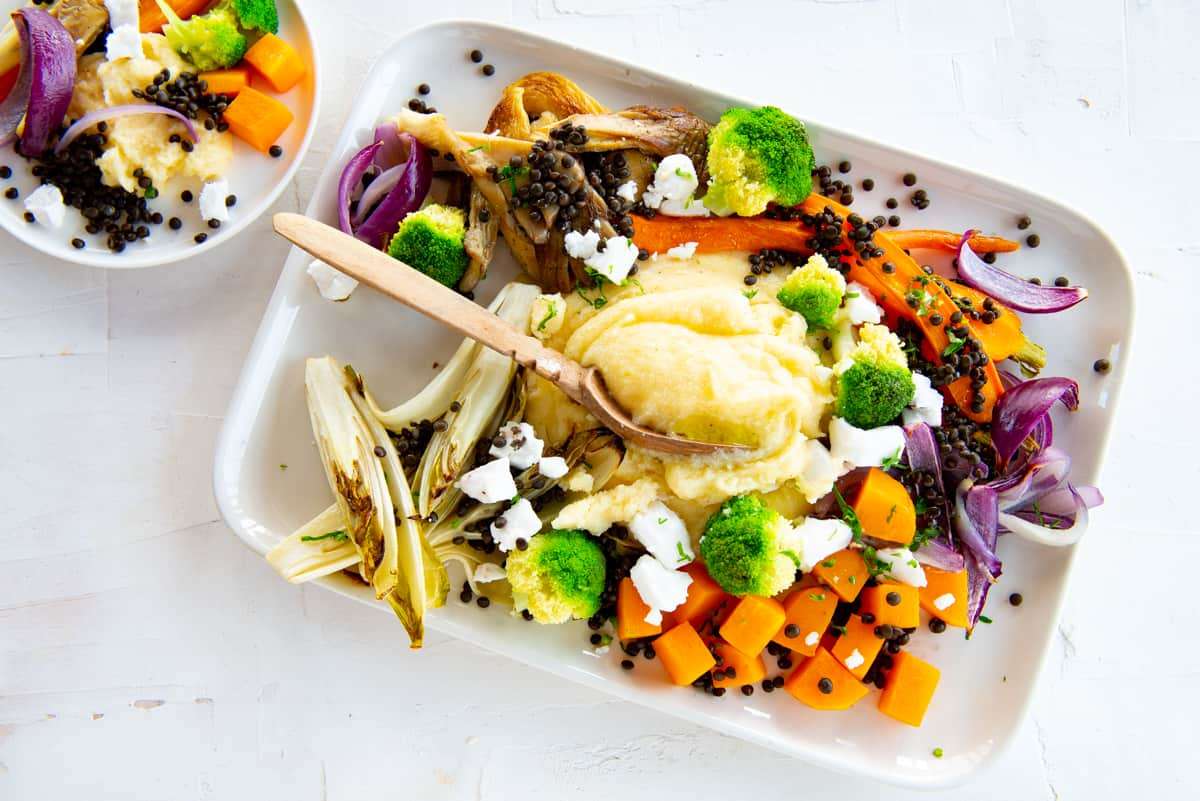
Example recipe: Roasted Carrot Tarte Rustique

Overview of all recipes in this course


How to navigate this course
Finally, at the end of this free sample course we would like to show you how this course is set up and how to browse through it.
Structure
The course is made up of 7 different lessons, and each lesson consists of several topics. After a short introduction to vegan cooking, we’ll take you through the Basic Tastes, the GOTT principle, understanding and working with Maillard reactions, Foodpairing, Flavour Enhancing Cooking Techniques and working with Texture. The course contains several video lectures and recipe videos and over 30 unique recipes created by our chefs and food writers.
Course navigation
Each lesson covers a number of topics. The topics are explained in video and text and have a link to one or more recipes. In the left navigation menu, you can always see where you’re at in the course and which lessons and topics you’ve already done. Also have a look at the demonstration video below to learn how to use this course. As a participant in our courses you get access to our culinary support desk. You can ask questions about the course, the recipes and your results with our recipes to myresults@veganacademy.eu. If you include pictures of your results, our chef can help you to solve any problems you might encounter with your cooking results.
Did you enjoy this sample course? If you sign up right now and use the discount code you’ll get a 15% discount! Just copy this discount code lucky15, click here to add the course to the shopping cart and paste the code into the coupon code field and apply.

Joris Schildknecht, head chef Vegan Academy